Socratic Questioning for ACT
Upcoming Praxis course on Process-Based Dialogue that Fuels Flexibility

Announcing an upcoming course with Praxis!
Socratic Questioning for ACT
Process-Based Dialogue that Fuels Flexibility
10 CE Hours available
October 19–November 16, 2026
Mondays, 6:00 p.m.–8:00 p.m. Eastern Time (US)
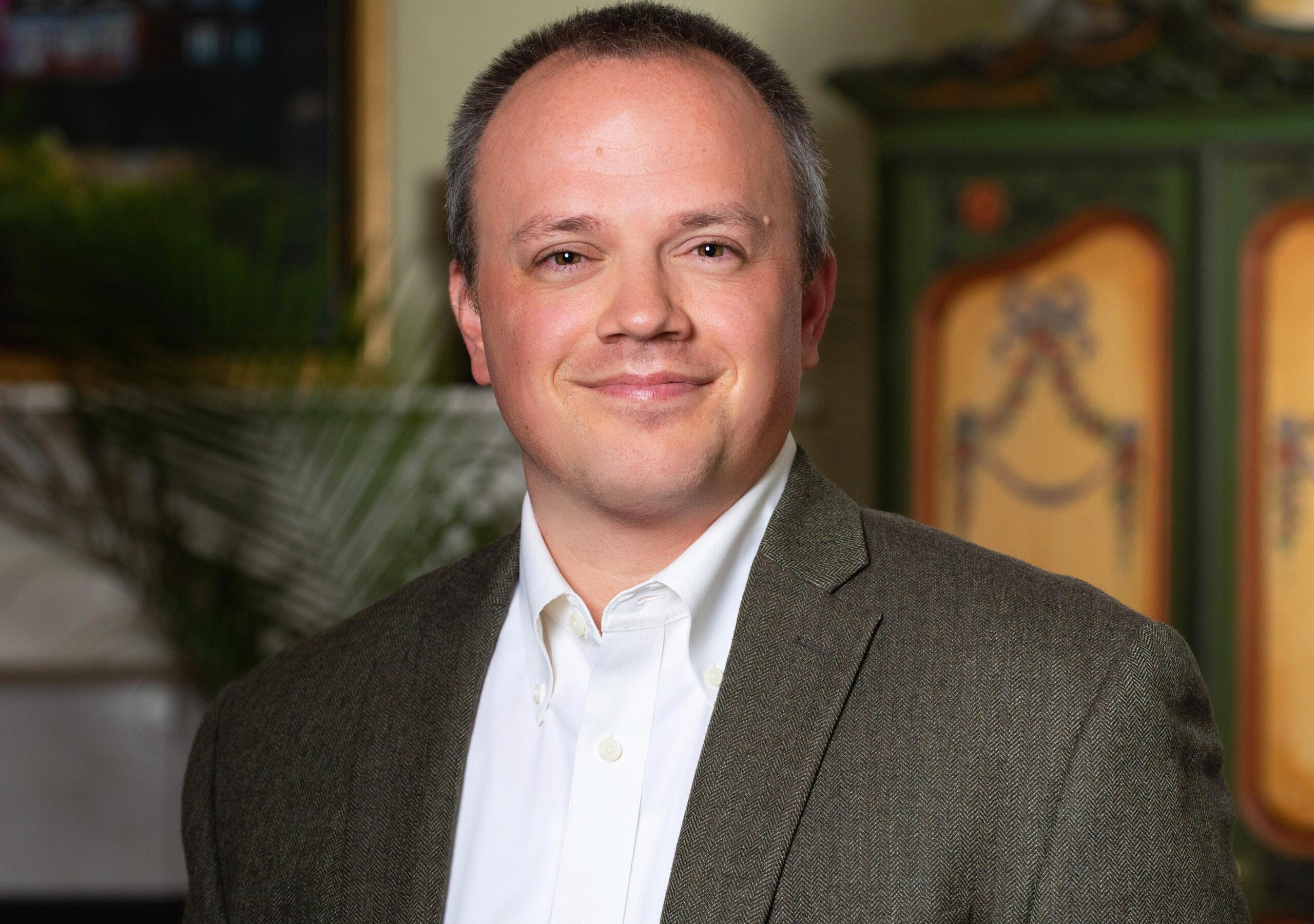

R. Trent Codd, III, Ed.S., LCMHC, BCBA
Socratic questioning has historically been associated with cognitive therapy, where questions are used to examine the accuracy, logic, or evidence for beliefs. Acceptance and Commitment Therapy (ACT), however, adopts a different stance toward cognition. In ACT, the aim is not to determine whether thoughts are true or false, but whether responding to thoughts in particular ways is workable in the service of a meaningful life. Because ACT is taught experientially, clinicians sometimes worry that Socratic dialogue will drift into disputation or cognitive restructuring, focusing on content as opposed to process and pulling the client away from direct experience.
In practice, well-formed Socratic questions are among the most powerful tools for cultivating psychological flexibility—especially when they shift context, highlight function, and invite direct contact with experience. This course clarifies how the ACT clinician can conceptualize and implement Socratic inquiry in ways that are congruent with the model, distinguishing it from hypothesis testing oriented questioning and demonstrating how to use Socratic dialogue to support each of the six core ACT processes.
This will be a 5 week live course focused on how to use deliberate language in session to facilitate change processes. Participants will learn where, how, and when to intervene. Methods of teaching will include didactics, discussion, demonstration, and practice. Course content will also include expansion of focus to touch on themes of working with trauma and from the broader contextual behavioral sciences integrating Socratic Processes in DBT. Messages will be bolstered with lessons from post Socratic Greek and Roman philosophies like Stoicism and Skepticism.
This training offers 10 CE hours if attended live. We can only provide CE to those who are present via Zoom for the live sessions. However, the sessions will be recorded and available to watch later. Registrants may access these recordings at any time for up to three months after the live training ends.
Before registering, please review conflict of interest disclosures and complete CE information here.
Schedule
Session 1 | October 19, 2026, 6:00 p.m.–8:00 p.m. EDT
Who was Socrates and what is the Socratic Method
Demonstration and Debrief
Session 2 | October 26, 2026, 6:00 p.m.–8:00 p.m. EDT
Acceptance and Defusion
Demonstration and Practice
Session 3 | November 2, 2026, 6:00 p.m.–8:00 p.m. EST
Contact with the Present Moment and Self-as-Context
Demonstration and Practice
Session 4 | November 9, 2026, 6:00 p.m.–8:00 p.m. EST
Values and Committed Action
Demonstration and Practice
Session 5 | November 16, 2026, 6:00 p.m.–8:00 p.m. EST
Post-Socratic Philosophy
Stoicism and Anger